Reduces fear and anxiety about dental visits
Reduces fear and anxiety about dental visits
 Dental CastleKondapur · Manikonda
Treatments
Book · 70131 34340
Dental Castle · Treatment
Gentle, child-friendly dental care for growing smiles
Our pediatric dentistry team at Dental Castle creates a warm, friendly environment where children feel safe and comfortable. We focus on prevention, education, and positive experiences so every visit helps your child build lifelong healthy habits.
Reduces fear and anxiety about dental visits
Helps prevent cavities and early tooth loss
Supports proper jaw and tooth development
Builds lifelong oral hygiene habits
Regular removal of plaque and tartar, often followed by Fluoride Treatments to strengthen tooth enamel and fight off bacterial decay.
Thin, protective plastic coatings applied to the deep grooves of the chewing surfaces on back molars to lock out food particles and prevent cavities.
Guidelines provided by the pediatric dentist to help families enforce daily brushing habits and a cavity-preventing diet.
Composite resin fillings used to repair small to moderate cavities in both baby and permanent teeth.
Procedures like Pulpotomies (removing the infected nerve tissue in the crown) or Pulpectomies (cleaning the entire root) to save a severely decayed or abscessed baby tooth.
Stainless steel or white crowns are often placed on molars to protect teeth that have had pulp therapy or are highly compromised by decay until they fall out naturally.
If a tooth is too damaged by trauma or decay to be saved, the pediatric dentist extracts it. A space maintainer is then fitted so surrounding teeth do not shift, holding the gap open for the permanent adult tooth to erupt properly.
Dentists continually track jaw development and space to map out if early orthodontic intervention is required.
Specialized oral appliances used to help children stop prolonged thumb-sucking, tongue-thrusting, or teeth grinding (bruxism).
Minor surgical procedures to release a tight or restrictive tissue attachment (like a tongue-tie) to prevent speech and nursing issues.
Book a pediatric dental appointment at Dental Castle to give your child a positive start with dentistry. *Prices may vary based on treatment complexity

New at Dental Castle
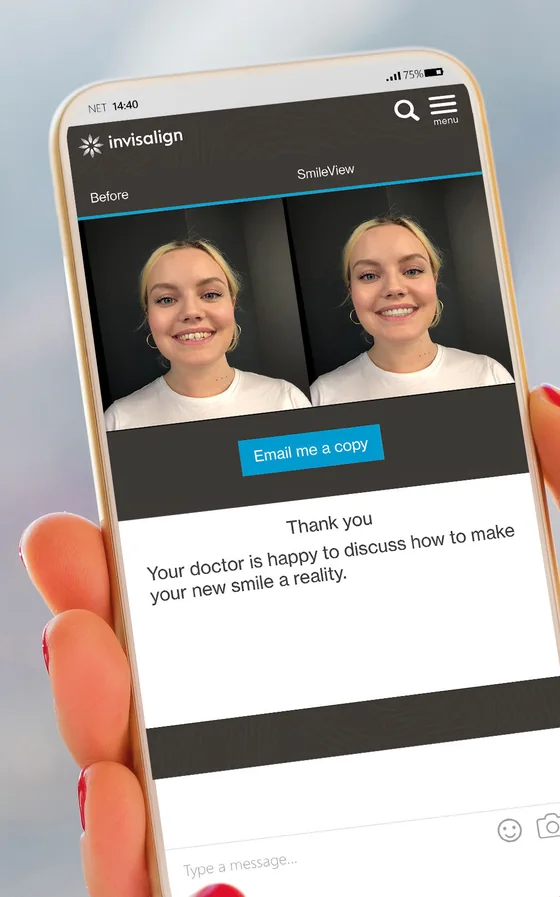
Take a quick selfie with Invisalign SmileView and see your smile transformation, then talk to our specialists about making it real.

Scan the QR code with your phone
SmileView provides only an example of one of the potential results of treatment using Invisalign aligners, and this result may not be achievable by you. The final outcome of any treatment will depend on a number of factors, such as your overall dental condition, a period of use of Invisalign aligners, and compliance with directions from your doctor, doctor experience/approach and the Invisalign guidelines relating to the use of Invisalign treatment. To generate the examples, SmileView may correct other common dental issues that will not be corrected by the Invisalign aligners, such as discolouration, cracks, and missing and uneven teeth, etc.